What Really Happens to Your Body When You Fast? The Science Behind Intermittent Fasting
The Rise of Intermittent Fasting: A Sustainable Approach to Weight Loss
Weight loss is a common goal for many Americans. In fact, research shows that 37% of U.S. adults want to lose weight, while 46% aim to eat healthier. Over the years, countless diets—keto, Atkins, Whole30, paleo, South Beach, and Weight Watchers—have promised results, but most fail in the long run. Why? Because they’re often too restrictive, making them unsustainable for the average person.
That’s where intermittent fasting comes in. Unlike traditional diets that dictate what you eat, this approach focuses on when you eat. It’s not a new concept, but it’s gained serious traction in recent years as a practical, science-backed method for improving health and shedding pounds.
What Exactly Is Intermittent Fasting?
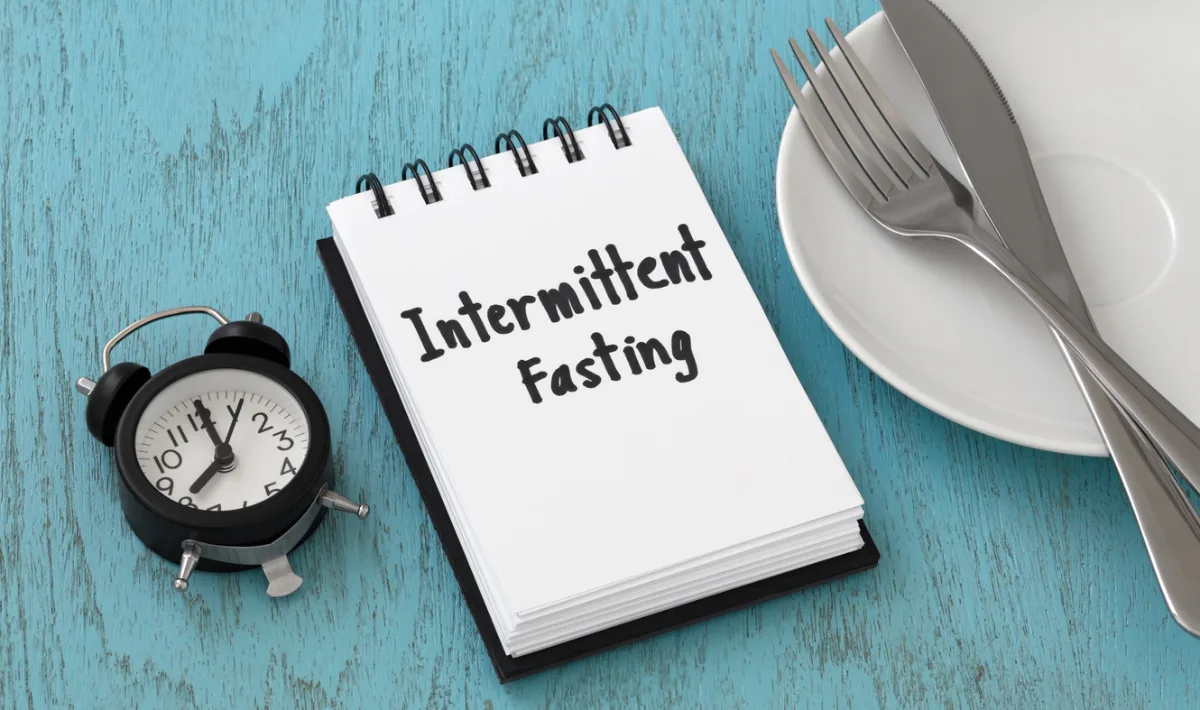
According to Johns Hopkins Medicine, intermittent fasting is an eating pattern that cycles between periods of fasting and eating. Instead of counting calories or cutting out entire food groups, you simply adjust your eating window. For example, you might eat all your meals between 10 a.m. and 6 p.m., then fast until the next day.
This method is flexible, adaptable, and—most importantly—sustainable. But what actually happens to your body when you fast? The science behind it is fascinating.
6 Surprising Ways Your Body Changes During a Fast
Fasting isn’t about starving yourself—it’s about giving your body a break and allowing it to tap into its natural fat-burning abilities. Here’s what happens when you stop eating for extended periods:
1. Your Body Starts Burning Fat for Fuel
When you fast, your body depletes its sugar stores (glycogen) and begins breaking down fat for energy. This process, known as lipolysis, is one of the primary reasons intermittent fasting is so effective for weight loss. As Johns Hopkins Medicine explains, after several hours without food, your body shifts from burning glucose to burning fat, which helps lower insulin levels and promotes fat loss.
2. Your Metabolism Gets a Boost
Metabolism is the process by which your body converts food and drinks into energy. Many people believe their metabolism is fixed—either slow or fast—but fasting can actually increase your metabolic rate. A faster metabolism means your body burns calories more efficiently, which can aid in weight management.
While some studies suggest that prolonged fasting may temporarily slow metabolism, short-term fasting (like intermittent fasting) has been shown to have the opposite effect, helping your body become more efficient at using energy.
3. You Naturally Eat Fewer Calories
One of the biggest misconceptions about intermittent fasting is that you can eat whatever you want during your eating window. That’s not how it works. The goal is to reduce overall calorie intake by sticking to normal portion sizes and avoiding overeating. When you limit your eating to a specific time frame, you’re less likely to snack mindlessly or consume excess calories.
Of course, this only works if you’re mindful of what you eat. Fasting doesn’t give you a free pass to binge on junk food—it’s about creating a healthier relationship with food and your body’s natural hunger cues.
4. Insulin Levels Drop, Making Fat Loss Easier
Insulin is a hormone that regulates blood sugar and helps store excess glucose as fat. When you eat, your pancreas releases insulin to manage the glucose entering your bloodstream. But when you fast, insulin levels drop significantly, allowing your body to access stored fat for energy.
High insulin levels can prevent fat burning, so lowering them through fasting is a key factor in weight loss. This is why intermittent fasting is often recommended for people with insulin resistance or type 2 diabetes, as it can help improve blood sugar control.
5. Your Digestive System Gets a Much-Needed Break
Your digestive system works hard 24/7 to break down food, absorb nutrients, and eliminate waste. Constant eating can put a strain on this process, leading to bloating, indigestion, and other digestive issues. Fasting gives your gut a chance to rest and repair.
During a fast, your body shifts its focus from digestion to other essential functions, like breaking down fat cells and boosting your immune system. This can lead to improved gut health, reduced inflammation, and even better nutrient absorption when you do eat.
6. Your Brain Function Improves
Ever notice how your mind feels sharper after a good night’s sleep? Fasting can have a similar effect. When your body switches between burning carbs and fat for energy, it produces ketones, which are a more efficient fuel source for your brain. This can lead to:
- Enhanced mental clarity – Many people report feeling more focused and alert during a fast.
- Reduced brain fog – Lower insulin levels and stable blood sugar can help clear mental fatigue.
- Improved mood – Fasting has been linked to increased production of BDNF (brain-derived neurotrophic factor), a protein that supports brain health and mood regulation.
Is Intermittent Fasting Right for You?
Intermittent fasting isn’t a one-size-fits-all solution, but for many people, it’s a game-changer. It’s flexible, science-backed, and can be tailored to fit your lifestyle. Whether you’re looking to lose weight, improve metabolic health, or simply feel more energized, fasting might be worth a try.
Important Note: Before starting any new diet or eating plan, consult with your healthcare provider to ensure it’s safe and suitable for your individual needs. The information provided here is for educational purposes only and should not replace professional medical advice.
If you’re ready to give intermittent fasting a shot, start with a simple 12-hour fast (e.g., stop eating at 8 p.m. and don’t eat again until 8 a.m.). As your body adjusts, you can gradually extend your fasting window to 14 or 16 hours for even greater benefits.