Stay Strong & Active After 50: 3 Must-Do Exercises for Lifelong Fitness
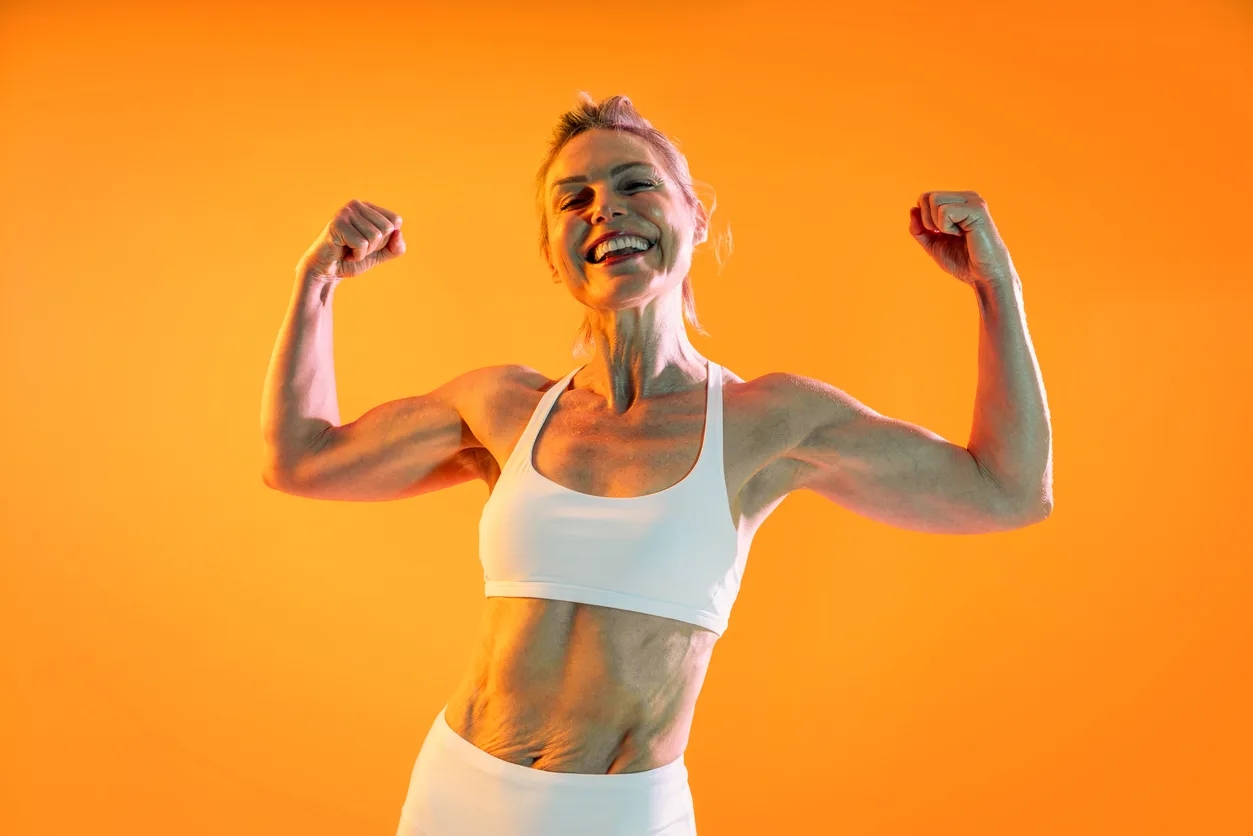
Why Age Shouldn’t Stop Your Fitness Journey
Let’s get one thing straight: there’s no such thing as “exercises for people over 50.” Fitness isn’t about age—it’s about ability, progression, and consistency. Whether you’re just starting out or getting back into the swing of things, the key is to begin with simple movements or lighter weights, then gradually build up to more challenging routines. The goal? To keep your body moving, strong, and capable at every stage of life.
Physical exercise and weight training should be a lifelong commitment. There’s no need to eliminate certain exercises just because you’ve hit a milestone birthday. Instead, focus on what you’re trained and equipped to do safely. This approach not only prevents injury but also ensures you can continue doing the activities you love, no matter your age.
The 3 Pillars of Fitness After 50
To stay fit, mobile, and independent as you age, focus on three key areas: balance, strength training, and cardio. Each plays a unique role in keeping your body functioning at its best, and together, they create a well-rounded fitness routine that supports longevity, confidence, and overall well-being.
1. Balance Exercises: Your Foundation for Independence
Balance exercises might not be the first thing that comes to mind when you think about staying in shape, but they’re a game-changer for adults over 50. Good balance is essential for maintaining mobility and independence as you age. Think about it: when you’re young, you take basic movements—like climbing stairs or stepping out of a car—for granted. But as we get older, these simple actions can become challenging if we don’t prioritize balance.
Without strong balance, fear can creep in. You might start avoiding stairs, hesitant to leave the house, or even change your daily routines to steer clear of activities that once felt effortless. Over time, this avoidance can limit your freedom and reduce your quality of life. The good news? Balance exercises can help you regain confidence and maintain the ability to move through your day with ease.
2. Strength Training: The Secret to Ageless Strength
Strength training isn’t just for bodybuilders or the young—it’s a non-negotiable part of staying fit after 50. As we age, our muscle mass and bone density naturally decline, but resistance training can slow down, or even reverse, this process. Lifting weights or using resistance bands helps build muscle, improve bone density, and enhance coordination, all of which are critical for preventing falls and maintaining independence.
But the benefits don’t stop there. Strength training also boosts your metabolism, improves sleep, and can even lift your mood. Plus, there’s something empowering about feeling strong and capable. It’s not just about physical health—it’s about confidence, motivation, and the drive to keep learning and trying new things, no matter your age.
And let’s debunk a myth: lifting weights isn’t about vanity. It’s about functionality. Strong muscles help you carry groceries, play with your grandkids, or even get up from a chair without assistance. It’s about living life on your terms, without limitations.
3. Cardio: Keep Your Heart and Mind Sharp
Cardio exercises are the unsung heroes of lifelong fitness. As kids, we naturally engage in cardio through play, but as adults, it’s easy to become sedentary, especially as work and responsibilities take over. However, cardio is one of the best ways to prevent disease, improve mental health, and reduce the risk of falls.
Cardio doesn’t have to mean running marathons or spending hours on a treadmill. Activities like swimming, cycling, dancing, or even brisk walking can get your heart pumping. And here’s the bonus: many cardio activities, such as pickleball, tennis, or group fitness classes, also provide social engagement, which is just as important for your well-being as the physical benefits.
Cardio keeps your heart healthy, your mind sharp, and your energy levels high. It’s a simple yet powerful way to stay active and enjoy life to the fullest.
The Ultimate Over-50 Workout Plan
Now that you understand the importance of balance, strength, and cardio, let’s put it all together. The perfect workout for staying fit after 50 incorporates all three elements. The best part? You can tailor it to your fitness level, preferences, and schedule. Here’s how to get started:
Balance Exercises: Simple but Powerful
Balance exercises don’t require any equipment and can be done anywhere. Here are three of the most effective moves to improve your stability and coordination:
- Single-Leg Stance: This beginner-friendly exercise is all about improving your ability to balance on one leg. Stand on one foot and hold the position for as long as you can. As your muscles fatigue, you’ll notice improvements in balance, stability, and endurance. Start with 10-20 seconds per leg and gradually increase the time as you get stronger.
- Walking Lunge: Don’t let the name fool you—this exercise is as much about balance as it is about strength. Walking lunges challenge your stability while also working your legs, glutes, and core. They’re great for increasing your range of motion, loosening tight hips and hamstrings, and improving posture. Start with a few reps and focus on form to avoid losing your balance.
- Curtsy Squat: This bodyweight squat is a fantastic warmup move, but it’s also a great way to target your glutes, thighs, and core. The curtsy squat helps strengthen and stabilize your lower body while improving balance and coordination. For an added cardio boost, pick up the pace to raise your heart rate.
Strength Training: Build Muscle, Build Confidence
Strength training is a must for anyone over 50. It helps maintain muscle mass, improves bone density, and enhances overall strength and stability. Here are three effective dumbbell exercises to incorporate into your routine:
- Lateral Raise: This exercise targets your shoulders, helping you achieve defined, strong deltoids. But the benefits go beyond aesthetics. Lateral raises improve shoulder mobility, range of motion, and stability, which are all crucial for maintaining an active and independent lifestyle. Aim for 2-3 sets of 10-12 reps.
- Dumbbell Row: A simple yet powerful exercise, the dumbbell row works your upper back, shoulders, and arms. It’s great for building a strong back, improving posture, and increasing grip strength—an often-overlooked but essential skill as you age. Perform 2-3 sets of 10-12 reps per arm.
- Renegade Row: This full-body exercise is a game-changer. It engages your core, back, and arms simultaneously, helping you develop upper-body strength while also improving balance and stabilization. Start with lighter weights and focus on form. Aim for 2-3 sets of 8-10 reps per arm.
Cardio: Make It Fun and Sustainable
Cardio doesn’t have to be a chore. The key is to find activities you enjoy and can stick with long-term. Here are a few ideas to get you moving:
- Brisk Walking: One of the simplest and most effective forms of cardio. Aim for at least 30 minutes a day, five days a week. Walking not only gets your heart rate up but also improves circulation and boosts your mood.
- Swimming: A low-impact, full-body workout that’s easy on the joints. Swimming is a great way to build endurance, strength, and flexibility all at once.
- Group Fitness Classes: Whether it’s Zumba, spin, or a dance class, group workouts are a fun way to get your cardio in while also enjoying the social aspect. Plus, the energy of a group can be incredibly motivating.
- Pickleball or Tennis: These sports are not only great for cardio but also for hand-eye coordination, agility, and social interaction. They’re a fantastic way to stay active while having fun.
Remember, the best cardio is the kind you’ll actually do. So, choose activities that excite you and fit into your lifestyle.
Putting It All Together
For a well-rounded workout, combine balance, strength, and cardio into your routine. Here’s a sample weekly plan to get you started:
- Monday: Strength training (focus on upper body) + 10-minute brisk walk
- Tuesday: Balance exercises (single-leg stance, walking lunge, curtsy squat) + 30-minute swim
- Wednesday: Strength training (focus on lower body) + 10-minute stretching
- Thursday: Cardio (pickleball or tennis) + 10-minute cool-down walk
- Friday: Full-body strength training (lateral raises, dumbbell rows, renegade rows) + 10-minute balance exercises
- Saturday: Active recovery (yoga, light stretching, or a leisurely walk)
- Sunday: Rest or light activity (gardening, a casual bike ride, etc.)
This plan is flexible, so feel free to adjust it based on your preferences and fitness level. The most important thing is to stay consistent and listen to your body.
Final Thoughts: Move with Confidence
Staying fit after 50 isn’t about pushing yourself to the limit or following a rigid set of rules. It’s about finding joy in movement, challenging yourself in ways that feel good, and celebrating what your body can do. Whether it’s lifting weights, going for a walk, or trying a new sport, every little bit counts.
So, stand tall, pull your shoulders back, and move with confidence. Your body is capable of amazing things—no matter your age. For more insights on healthy aging, check out the National Institute on Aging’s guide to exercise.
Here’s to staying strong, active, and vibrant for years to come!