Shingles Exposed: The Painful Rash You Need to Know About
What Is Shingles and Why Does It Hurt So Much?
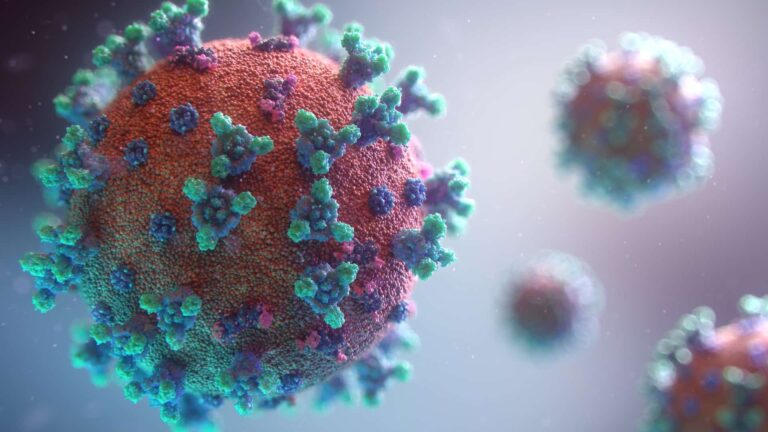
Shingles isn’t just a roofing material—it’s a painful, often debilitating viral infection that can strike without warning. Also known as herpes zoster, this condition is caused by the same virus responsible for chickenpox: the varicella-zoster virus. After a bout of chickenpox, the virus doesn’t disappear. Instead, it lies dormant in your nerve cells, waiting for the right moment to reactivate. When it does, it can trigger a rash so painful it disrupts daily life.
Recognizing the Symptoms: More Than Just a Rash
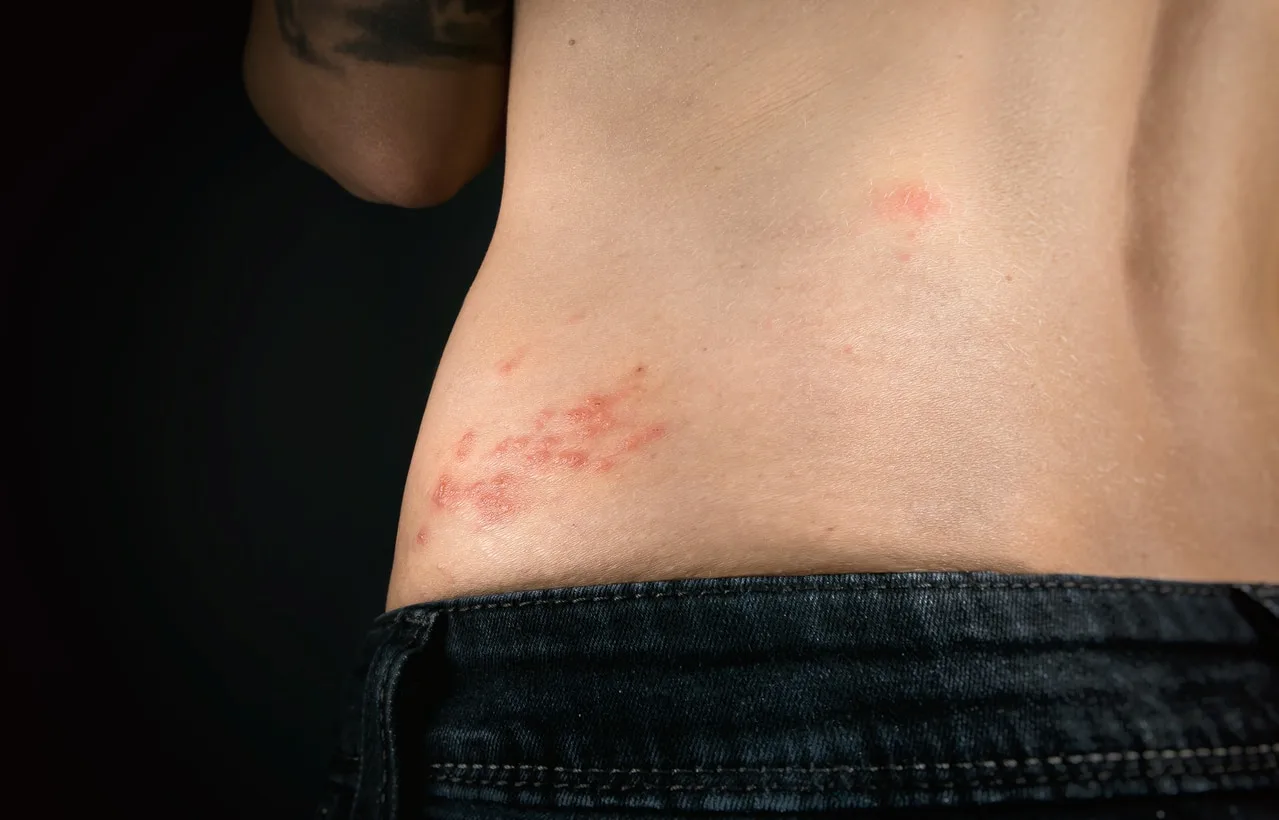
Shingles typically starts with a sharp, burning, or stabbing pain on one side of the body or face. Within a few days, a red rash appears, often forming a band or strip along a nerve pathway. This rash quickly develops into fluid-filled blisters that break open, crust over, and eventually heal—but not without leaving their mark.
The pain can be intense, sometimes persisting long after the rash fades. This lingering discomfort, known as postherpetic neuralgia (PHN), can last for weeks, months, or even years. PHN occurs when the virus damages nerve fibers, sending constant pain signals to the brain. For some, the agony is so severe it interferes with sleep, work, and overall quality of life.
What Triggers Shingles? Understanding the Causes and Risk Factors
Anyone who has had chickenpox can develop shingles. The varicella-zoster virus remains in the body indefinitely, and while it usually stays dormant, certain factors can trigger its reactivation. These include:
- Age: The risk of shingles increases significantly after age 50. In fact, about half of all cases occur in people over 60.
- Weakened Immune System: Conditions like HIV/AIDS, cancer, or treatments such as chemotherapy can suppress the immune system, making it easier for the virus to reactivate.
- Stress and Illness: Physical or emotional stress, as well as chronic illnesses, can weaken the body’s defenses, paving the way for shingles to emerge.
- Medications: Certain drugs, such as long-term steroids or immunosuppressants, can increase the likelihood of developing shingles.
It’s important to note that shingles is not contagious in the same way as chickenpox. However, direct contact with the fluid from shingles blisters can spread the varicella-zoster virus to someone who has never had chickenpox, potentially causing them to develop the disease.
Diagnosis: When to See a Doctor
Shingles is often diagnosed based on the characteristic rash and pain pattern. However, in some cases, a healthcare provider may order lab tests, such as a polymerase chain reaction (PCR) test or a viral culture, to confirm the diagnosis. Early diagnosis is critical, as prompt treatment can reduce the severity and duration of the infection, as well as lower the risk of complications like PHN.
Treatment Options: Easing the Pain and Speeding Up Recovery
While there’s no cure for shingles, several treatments can help manage symptoms and promote healing:
- Antiviral Medications: Prescription drugs like acyclovir, valacyclovir, or famciclovir can shorten the duration of the infection and reduce its severity. These medications are most effective when started within 72 hours of the rash appearing.
- Pain Relief: Over-the-counter pain relievers, such as ibuprofen or acetaminophen, can help manage mild to moderate pain. For more severe cases, a doctor may prescribe stronger painkillers or nerve blocks.
- Topical Treatments: Creams containing capsaicin or lidocaine can provide temporary relief from nerve pain. Calamine lotion or cool compresses may also soothe the rash.
- Antidepressants or Anticonvulsants: In cases of PHN, medications like gabapentin or amitriptyline may be prescribed to help control chronic nerve pain.
Prevention: The Power of Vaccination
Preventing shingles is far easier than treating it. The most effective way to reduce your risk is through vaccination. The Centers for Disease Control and Prevention (CDC) recommends the shingles vaccine for all adults aged 50 and older, regardless of whether they’ve had shingles or chickenpox in the past.
There are two shingles vaccines available in the U.S.:
- Shingrix: This is the preferred vaccine, as it offers higher protection (over 90% effective in preventing shingles and PHN). It’s given in two doses, 2 to 6 months apart.
- Zostavax: This older vaccine is less effective (about 51% effective) and is no longer recommended for most people, though it may still be used in certain cases.
Shingrix works by boosting the immune system’s response to the varicella-zoster virus, providing long-lasting protection. Even if you’ve already had shingles, getting vaccinated can help prevent future outbreaks.
Living with Shingles: Coping with the Emotional and Physical Toll
The physical pain of shingles is often accompanied by emotional distress. The constant discomfort, fear of long-term complications, and disruption to daily life can take a toll on mental health. It’s important to seek support from healthcare providers, family, and friends during this time.
Practicing self-care can also help. This includes:
- Getting plenty of rest to allow your body to heal.
- Eating a balanced diet to support your immune system.
- Managing stress through techniques like meditation, yoga, or deep breathing.
- Staying hydrated and avoiding alcohol, which can worsen symptoms.
The Bottom Line: Don’t Wait to Act
Shingles is a serious condition that can have lasting effects, but it’s also preventable. If you’re 50 or older, talk to your doctor about getting the Shingrix vaccine. If you suspect you have shingles, seek medical attention immediately—early treatment can make a world of difference.
For more information, visit the CDC’s shingles resource page.