From Loss to Light: How Ukrainian Refugees Rebuild Their Lives with Hope and Resilience
Finding Strength Amid Unimaginable Loss
What happens when the life you’ve built is ripped away in an instant? How do you hold onto hope when your world has been shattered by war? For millions of Ukrainians, these aren’t just questions—they’re the harsh reality of daily survival.
One day, they were living ordinary lives: working, raising families, dreaming of the future. The next, they were fleeing for their lives, leaving behind homes, loved ones, and entire communities as bombs destroyed their cities. The war in Ukraine has displaced countless families, forcing them to escape with little more than the clothes on their backs. Yet, even in the face of such devastation, many are finding ways to heal, reconnect, and keep hope alive.
The Healing Power of Community and Creativity
Recently, I had the honor of visiting Bereginya – Mariupol’s Women’s Association in Warsaw, an organization dedicated to supporting Ukrainian women who’ve escaped the horrors of war. Thanks to the generosity of supporters, these women and their children have access to more than just the basics—shelter, food, and education. They also receive personalized legal assistance, trauma-informed counseling, and emotional support to help them navigate the overwhelming challenges of displacement.
During an art workshop, I sat with a group of these remarkable women as they shared their stories. They spoke of the terror of fleeing Mariupol, the dangerous journeys to safety, and the heartbreak of losing homes, communities, and, for some, family members left behind. Their world, as they knew it, no longer exists. And yet, there they were, creating something beautiful together—proof that even in the darkest times, light can be found.
Art isn’t just a creative outlet for these women—it’s a lifeline. It’s a way to process trauma, express emotions words can’t capture, and rebuild a sense of self-worth. As one woman told me, “When we create together, we remember that we are still here. We are still alive. And we are not alone.”
A Holistic Approach to Rebuilding Lives
At the heart of Bereginya’s work is a mother-daughter duo, Maryna and Kateryna Shuh, who understand the struggles of displacement firsthand. Both fled the devastating bombing of Mariupol and have since dedicated their lives to helping others do the same.
Maryna, a lawyer by training, provides critical legal support to women who arrived in Poland without identity papers. Without these documents, they can’t prove ownership of property, parenthood, or access essential benefits. Navigating the bureaucracy of a new country is daunting enough without the added weight of trauma—and Maryna helps lighten that load.
Her daughter, Kateryna, a trauma therapist, focuses on the less visible but equally vital work of healing the heart. As she explained, “Having a roof over your head is just the beginning. True healing requires more than physical safety—it requires emotional and psychological support.” Together, Maryna and Kateryna help women reclaim their independence, dignity, and sense of belonging. Their approach is holistic, addressing both the practical and emotional needs of survivors.
Maryna’s words resonated deeply: “Women can only be free when they can earn. It traumatizes you from the inside when you are dependent.” Financial independence isn’t just about survival—it’s about restoring a sense of control and purpose in a world turned upside down.
Small Steps Toward a Brighter Future
Healing from trauma isn’t linear, and there’s no one-size-fits-all solution. For these women, it’s about focusing on small, manageable tasks that keep them grounded. It’s the daily routines—the act of making art, the camaraderie of shared experiences, the quiet moments of reflection—that help them move forward, one step at a time.
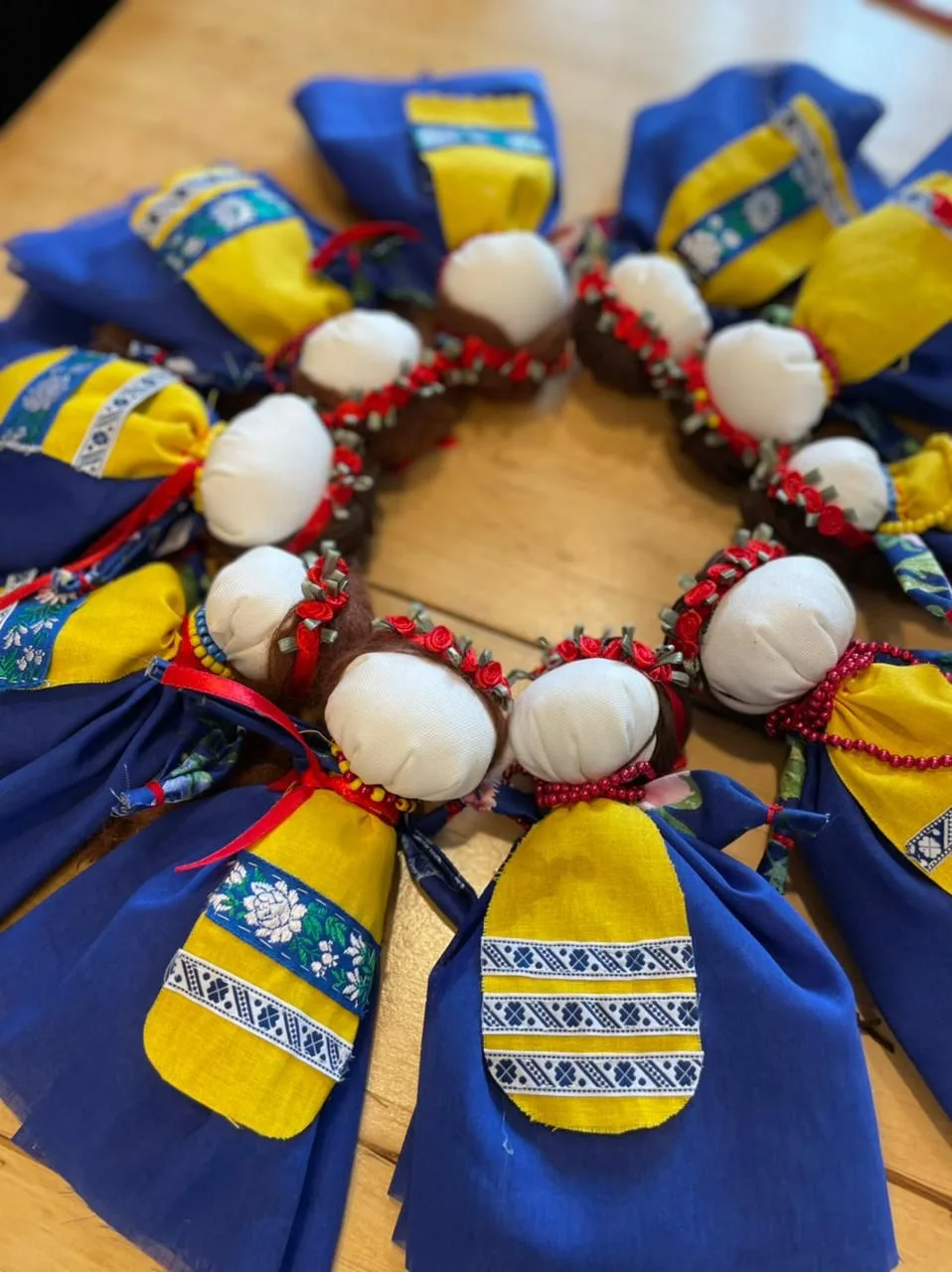
During my visit, I joined the women in a doll-making activity. As we worked side by side, the room filled with laughter, conversation, and a tangible sense of solidarity. These moments of connection are just as important as the legal advice, vocational training, and counseling they receive. They remind the women that, despite everything they’ve lost, they still have the power to create, to connect, and to hope.
What struck me most was their resilience. Their lives have been upended in ways most of us can’t begin to imagine. They don’t know if or when they’ll be able to return home. And yet, they’ve come together, supporting one another, and taking the first steps toward healing. They’re not just surviving—they’re reclaiming their futures.
How You Can Help Keep Hope Alive
The journey to healing is long, and these women need our support now more than ever. Whether it’s through donations, advocacy, or simply sharing their stories, we can all play a part in helping them rebuild their lives. As Kateryna put it, “Hope is not just something you feel—it’s something you do.”
Thank you to everyone who has already contributed to this vital work. Your generosity makes a real difference in the lives of women and children who have lost so much. Together, we can ensure they have the resources, support, and hope they need to move forward.
For those interested in learning more about the healing power of art therapy for refugees, you can explore resources from the American Art Therapy Association.
Every act of kindness, every moment of solidarity, and every contribution brings these women one step closer to a brighter future. Let’s keep hope alive—together.