Could This Powerful Plant Pigment Be the Key to a Longer, Healthier Life?
What Is Fisetin and Why Are Scientists Excited About It?
Imagine a natural compound that could slow down aging, reduce inflammation, and even extend your lifespan. Sounds like science fiction, right? Well, fisetin—a plant pigment found in everyday fruits and vegetables—might just be the real deal. Early research suggests this flavonoid could be a game-changer for longevity, thanks to its anti-inflammatory, antioxidant, and immune-boosting properties. While clinical trials are still underway, the preliminary findings are hard to ignore.
How Fisetin Fights Aging at the Cellular Level
Aging isn’t just about wrinkles and gray hair—it’s a complex process driven by cellular damage. Over time, our bodies accumulate senescent cells, which stop dividing, become dysfunctional, and start releasing harmful inflammatory molecules. These rogue cells contribute to age-related diseases like osteoporosis, cancer, and stroke. The good news? Fisetin appears to target and eliminate these senescent cells without harming healthy ones, a process known as senolysis.
In animal studies, fisetin has shown remarkable results:
- Mice: Fisetin cleared senescent cells and extended lifespan by over 10%, while also improving cognitive function and physical health.
- Yeast: Lifespan increased by more than 50% in lab tests.
- Fruit Flies: Lifespan extended by over 20%.
These findings have sparked human clinical trials, including one at the Mayo Clinic, to explore whether fisetin can reduce inflammation, improve bone health, and combat frailty in older adults.
Where Can You Find Fisetin?
The easiest way to get fisetin is through your diet. This pigment is abundant in many fruits and vegetables, with strawberries leading the pack by a wide margin. Here’s a breakdown of fisetin content (measured in micrograms per gram of freeze-dried food):
- Strawberries: 160 µg/g
- Apples: 27 µg/g
- Persimmons: 11 µg/g
- Lotus root: 6 µg/g
- Onions: 5 µg/g
- Grapes: 4 µg/g
- Kiwi: 2 µg/g
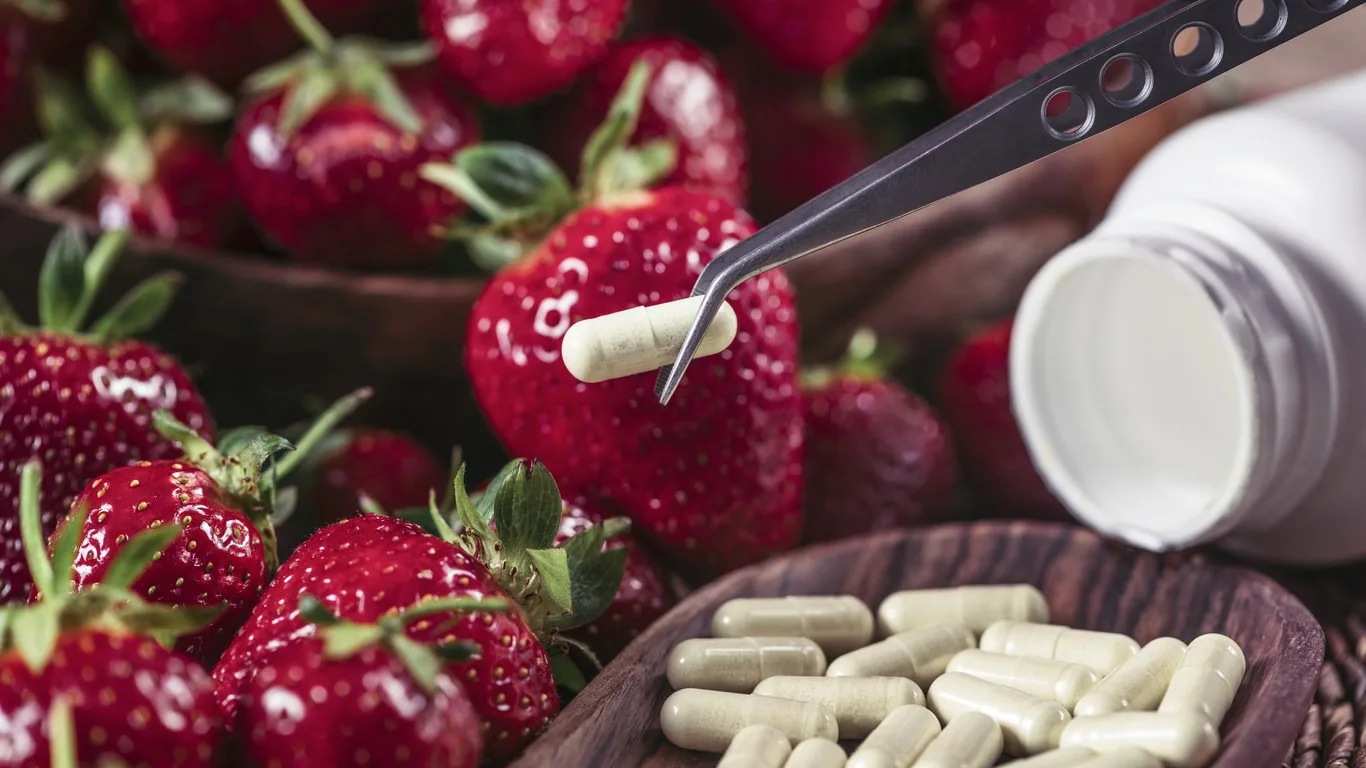
Smaller amounts can also be found in mangoes, cucumbers, and other produce. If you’re not a fan of these foods, fisetin supplements are available—but proceed with caution. While animal studies show no toxicity even at high doses, human research is still limited.
Potential Side Effects and Safety
So far, no adverse effects have been reported in animal studies, even with high doses of fisetin. However, human trials are still in the early stages, so we don’t yet have conclusive data on long-term safety. If you’re considering supplements, it’s best to consult your doctor first.
Beyond Anti-Aging: Other Health Benefits of Fisetin
While fisetin’s anti-aging potential is the most exciting, researchers are also exploring its role in:
- Cancer Treatment: Early studies suggest fisetin may help inhibit tumor growth.
- Neurodegenerative Diseases: It could protect against Alzheimer’s and Parkinson’s by reducing oxidative stress.
- Brain Health: Fisetin may improve memory, focus, and mood, with some users reporting cognitive benefits from supplementation.
- Diabetes Management: Research indicates it may help regulate blood sugar levels.
- Stroke and Seizure Prevention: Its neuroprotective effects are being investigated for stroke recovery and seizure reduction.
How Much Fisetin Do You Need?
Dosage recommendations are still unclear, but here’s what we know from current research:
- In a colon cancer study, 100 mg/day was effective in reducing inflammation.
- An ongoing trial for elderly adults is testing 1,400 mg/day for two consecutive days (for individuals weighing ~155 lbs).
- For now, experts recommend sticking to dietary sources until more data is available.
If you do opt for supplements, absorption can be improved by pairing fisetin with healthy fats, like fish oil. However, keep in mind that oral absorption is generally poor, so dietary sources may be more reliable.
The Bottom Line: Should You Try Fisetin?
Fisetin is one of the most promising natural compounds for anti-aging and longevity. While the science is still evolving, the early results are undeniably intriguing. If you’re curious, start by adding more fisetin-rich foods to your diet—strawberries, apples, and persimmons are great choices. As for supplements, it’s wise to wait for more human trials before diving in.
As always, consult your healthcare provider before making any significant changes to your diet or supplement routine. And remember: while fisetin might help extend your lifespan, a balanced diet, regular exercise, and good sleep habits are still the foundation of a long, healthy life.