Blast Belly Fat Fast: Science-Backed Tips to Shed Stubborn Weight
Why Belly Fat Is So Stubborn (And How to Fight Back)
Let’s be real—belly fat doesn’t care what you call it. Spare tire, muffin top, love handles… it’s all the same frustrating problem. And the older we get, the harder it is to lose. One minute you’re enjoying a cookie, the next your jeans feel like they’ve shrunk overnight. Sound familiar?
After overindulging during the holidays (or any weekend, let’s be honest), it’s easy to feel like you’re fighting an uphill battle. But here’s the good news: you can take control. The key? A realistic, science-backed approach to shedding that stubborn fat—without setting yourself up for failure.
What Causes Belly Fat to Creep In?
At its core, belly fat is a simple equation: calories in vs. calories out. Eat more than you burn, and your body stores the excess—often right around your midsection. But it’s not just about diet and exercise. Age plays a huge role, too.
As we get older, our muscle mass naturally declines, especially if we’re not staying active. Less muscle means a slower metabolism, making it easier to pack on pounds and harder to lose them. For women, the struggle gets even tougher after menopause. Estrogen levels drop, and fat tends to shift straight to the belly. It’s not fair, but it’s normal—and you’re definitely not alone in the fight.
Why Belly Fat Is More Than Just a Cosmetic Issue
Sure, a little extra padding around the middle can be frustrating when you’re trying to fit into your favorite jeans. But belly fat isn’t just an aesthetic problem—it’s a health risk. There are two types of fat in your midsection:
- Subcutaneous fat: The layer just under your skin. It’s the kind you can pinch, and while it’s not ideal, it’s not the biggest concern.
- Visceral fat: The dangerous stuff. It wraps around your internal organs and can wreak havoc on your health. According to the Mayo Clinic, visceral fat is linked to serious conditions like heart disease, high blood pressure, and even breathing problems.
Visceral fat releases chemicals that can disrupt your body’s normal functions, increasing your risk of chronic diseases. And here’s the scary part: you can have a relatively flat stomach and still carry dangerous levels of visceral fat. That’s why it’s so important to take action—even if you don’t see a big change in the mirror.
How to Measure Your Belly Fat
If you’re curious about your risk level, there are a couple of ways to check:
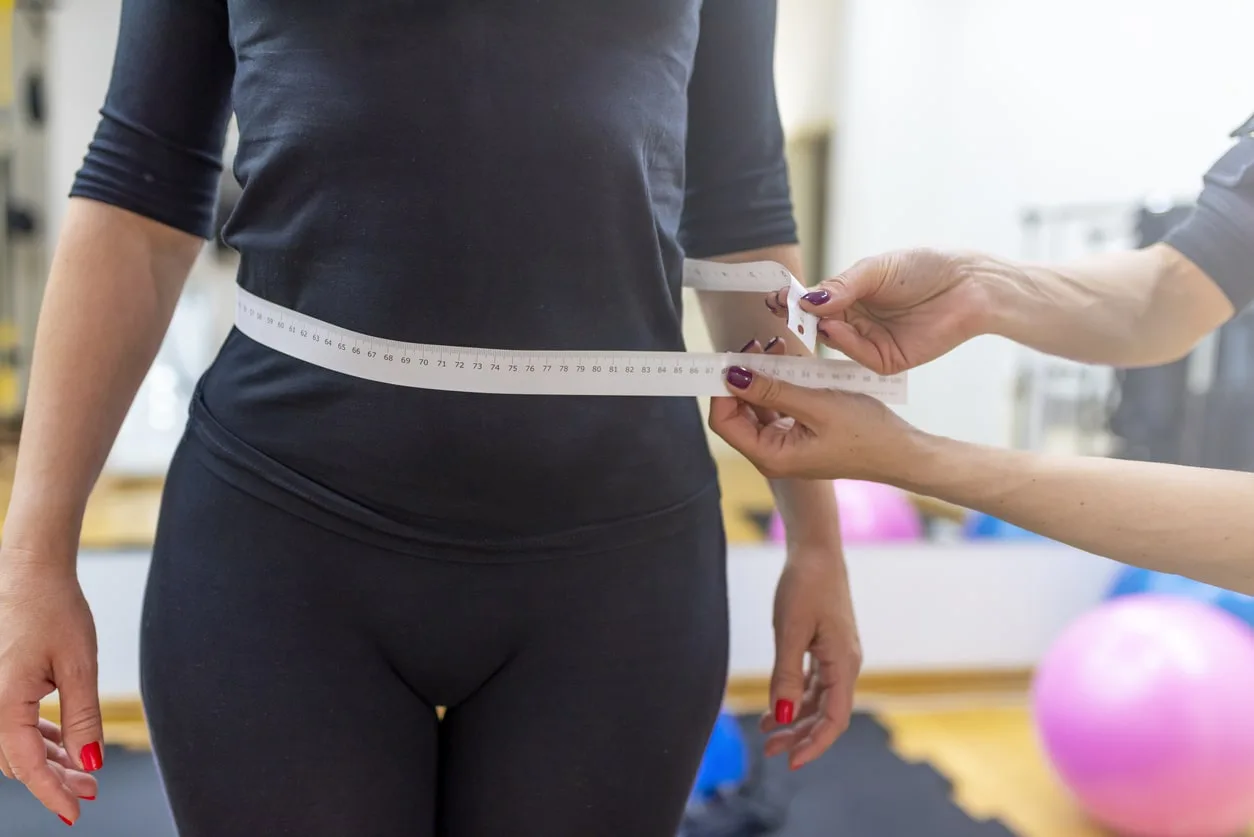
- Waist Circumference: Grab a measuring tape and wrap it around your waist, just above your belly button. Don’t suck in your stomach—just breathe normally. A measurement of 35 inches or more for women (or 40 inches for men) signals a higher risk of visceral fat.
- Body Mass Index (BMI): While not a perfect measure, a BMI of 30 or higher may indicate excess fat, including visceral fat. If you’re in this range, it’s a good idea to make some lifestyle changes.
For the most accurate results, your doctor can perform imaging tests, but these aren’t always necessary. A simple tape measure can give you a good idea of where you stand.
The Fastest Way to Lose Belly Fat: A Multi-Pronged Approach
If you’re serious about shedding belly fat, you’ll need to tackle it from all angles. That means combining smart diet choices with the right kind of exercise. Here’s how to do it effectively:
Exercise: Cardio Is Your Best Friend
You might think crunches and planks are the answer, but they’re not the most efficient way to burn belly fat. While core exercises are great for building muscle, they won’t melt fat on their own. For that, you need cardio.
Aerobic exercise—think walking, running, swimming, cycling, or even dancing—gets your heart pumping and burns calories. The key is consistency. Aim for:
- 75 minutes per week of vigorous activity (like running or HIIT).
- 150 minutes per week of moderate activity (like brisk walking or cycling).
If you prefer low-impact workouts, yoga, Pilates, or Barre classes are great options. And don’t forget strength training! Building muscle boosts your metabolism, helping you burn more calories even at rest. So, mix in some weightlifting or resistance exercises a few times a week.
Pro tip: High-Intensity Interval Training (HIIT) is one of the most effective ways to torch fat. Short bursts of intense exercise followed by rest periods can help you burn more calories in less time.
Diet: What to Eat (and What to Avoid)
You can’t out-exercise a bad diet. To lose belly fat, you’ll need to focus on what you’re putting into your body. Here’s what works:
- Cut Back on Sugar and Refined Carbs: Sugary drinks, pastries, and white bread spike your blood sugar and lead to fat storage, especially around your midsection. Swap them for whole grains, fruits, and veggies.
- Eat More Protein: Protein keeps you full and helps maintain muscle mass. Lean meats, fish, eggs, beans, and Greek yogurt are all great choices.
- Load Up on Fiber: Fiber-rich foods like vegetables, whole grains, and legumes help control hunger and keep your digestive system running smoothly.
- Healthy Fats Are Your Friend: Avocados, nuts, seeds, and olive oil provide essential nutrients and help you feel satisfied. Just watch your portions—even healthy fats are calorie-dense.
- Stay Hydrated: Sometimes, thirst masquerades as hunger. Drink plenty of water throughout the day to stay full and avoid unnecessary snacking.
- Limit Alcohol: Alcoholic drinks are packed with empty calories and can contribute to belly fat. If you do drink, do so in moderation.
And here’s the hard truth: there’s no magic food or supplement that will melt belly fat overnight. It’s about making sustainable, healthy choices day after day.
Be Patient and Stay Consistent
Losing belly fat takes time, and it’s not always a linear process. Some days, the scale will move in the right direction. Other days, it won’t. But if you stick with your plan—eating well, staying active, and getting enough sleep—you will see results.
Remember, the goal isn’t just to look better in your jeans (though that’s a nice perk). It’s about improving your health, boosting your energy, and feeling your best. So, take it one step at a time, and don’t get discouraged by setbacks. You’ve got this!