Dark Spots Be Gone: The Ultimate Guide to Fading Hyperpigmentation for Good
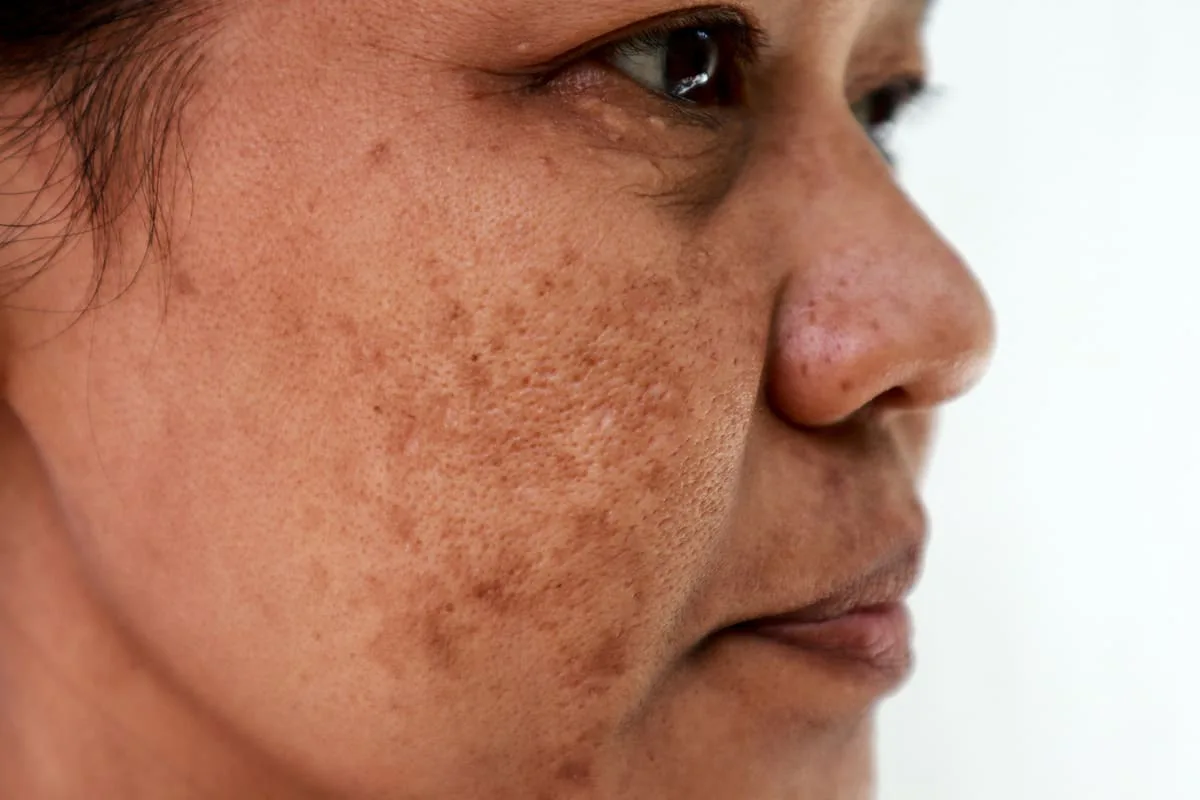
What Is Hyperpigmentation and Why Does It Appear?
If you’ve spotted dark patches, sun spots, or an uneven skin tone in the mirror, you’re far from alone. Hyperpigmentation is one of the most common skincare struggles, affecting people of all ages, genders, and skin types. According to board-certified cosmetic dermatologist Dr. Michele Green, this condition occurs when certain areas of the skin produce excess melanin—the pigment that gives your skin its color. While it’s completely harmless, it can make your complexion look dull, tired, or sallow.
So, what causes this overproduction of melanin? Clinical dermatologist Dr. Enrizza P. Factor explains that several factors can trigger it. Acne scars, hormonal changes (like those during pregnancy or menopause), the natural aging process, and—most significantly—sun exposure all play a role. Dr. Green notes that sun damage is the leading cause of hyperpigmentation. When your skin is exposed to UV rays, melanocytes (the cells that produce melanin) kick into high gear to shield your skin from harm. Over time, this can lead to melanin clumping, resulting in age spots, sun spots, or melasma.
Aging also contributes to the problem. As we get older, our skin loses collagen and elastin, becoming thinner and more susceptible to discoloration. This makes it easier for hyperpigmentation to develop and stick around, even after the initial trigger has passed.
How to Prevent Hyperpigmentation Before It Starts
As the saying goes, an ounce of prevention is worth a pound of cure—and that’s especially true when it comes to hyperpigmentation. The number one rule for keeping dark spots at bay is daily sun protection. Dr. Green stresses that both UVA and UVB rays contribute to skin damage. UVA rays penetrate deep into the skin, accelerating aging and causing dark spots, while UVB rays are responsible for sunburns and increasing the risk of skin cancer. That’s why she recommends using a broad-spectrum sunscreen with at least SPF 30 every single day—yes, even when it’s cloudy or you’re indoors near windows.
But sunscreen alone isn’t enough. Dr. Green advises reapplying it every 90 minutes when you’re outdoors, especially if you’re swimming or sweating. For added protection, consider wearing a wide-brimmed hat, UV-blocking sunglasses, and seeking shade during peak sun hours (10 AM to 4 PM).
Another critical prevention tip? Keep your hands off your face. Dr. Fred Pescatore, a natural health physician and skincare expert, warns that picking at blemishes, bug bites, or scabs can cause inflammation, which often leads to post-inflammatory hyperpigmentation (PIH). This type of discoloration is particularly common in people with darker skin tones, as their skin tends to produce more melanin in response to injury.
The Best Topical Ingredients to Fade Dark Spots
If you’re already dealing with hyperpigmentation, don’t lose hope. There are plenty of effective treatments to help fade dark spots and restore an even skin tone. Topical ingredients can make a big difference in brightening your complexion and reducing discoloration. Here are the gold-standard ingredients recommended by dermatologists:
Vitamin C
Vitamin C (ascorbic acid) is a powerhouse antioxidant that protects the skin from free radical damage caused by UV rays, pollution, and other environmental stressors. Dr. Green explains that it also inhibits tyrosinase, an enzyme essential for melanin production. This makes it incredibly effective at fading dark spots and preventing new ones from forming.
For the best results, Dr. Green suggests pairing vitamin C with vitamin E. She notes that vitamin C is unstable on its own, but when combined with vitamin E, it becomes more potent and longer-lasting. Look for serums that contain both for maximum brightening benefits. Aim for a concentration of 10-20% for noticeable results.
Retinoids
Retinoids, derivatives of vitamin A, are well-known for their anti-aging properties, but they’re also highly effective for treating hyperpigmentation. Dr. Green explains that retinoids accelerate cellular turnover, allowing fresh, healthy skin cells to replace old, damaged ones. This process not only fades dark spots but also boosts collagen and elastin production, leaving your skin smoother, brighter, and more youthful.
If you’re new to retinoids, start with a low concentration (like 0.025% or 0.05%) and gradually increase as your skin builds tolerance. Always apply retinoids at night, as they can increase sun sensitivity, and always follow up with sunscreen the next morning. It’s also a good idea to introduce retinoids slowly—start with once or twice a week and gradually work up to nightly use to avoid irritation.
Hydroquinone
Hydroquinone is a skin-lightening agent that works by inhibiting tyrosinase, the same enzyme targeted by vitamin C. It’s one of the most effective treatments for stubborn hyperpigmentation, but it comes with some caveats. Dr. Green warns that hydroquinone can make your skin more sensitive to the sun, so daily sunscreen is non-negotiable. It can also be irritating, so it’s best to avoid combining it with other harsh ingredients like benzoyl peroxide or alpha hydroxy acids (AHAs).
Because of its potency, hydroquinone is often prescribed by dermatologists. Over-the-counter versions are available in lower concentrations (up to 2%), but for stronger formulations, you’ll need a professional’s guidance. It’s also important to note that hydroquinone should not be used long-term without supervision, as prolonged use can lead to side effects like ochronosis (a condition that causes blue-black discoloration).
Oral Supplements for Brighter, More Even Skin
While topical treatments are essential, oral supplements can also play a role in preventing and reducing hyperpigmentation. Dr. Fred Pescatore, who has worked with celebrities like Sarah Jessica Parker and Kate Hudson, recommends incorporating certain supplements into your routine for a radiant, even-toned complexion.
Vitamin C
Vitamin C isn’t just for your skin—it’s also a powerful antioxidant when taken orally. It helps neutralize free radicals, supports collagen production, and contributes to a healthier, more radiant complexion. Aim for a daily dose of 500-1000 mg for optimal benefits.
Pycnogenol
Pycnogenol, a maritime pine bark extract, is another standout supplement. Dr. Pescatore explains that it acts as a potent antioxidant, reducing the appearance of dark spots and protecting the skin from further damage. He adds, “It lightens over-pigmented skin, lowering pigmentation intensity for a brighter complexion.” The best part? Pycnogenol is widely available in both oral and topical products, and because it’s a standardized ingredient, you can trust its efficacy regardless of the brand. Dr. Pescatore recommends Healthy Origins as a reliable source for Pycnogenol supplements. Aim for 50-150 mg per day for noticeable results.
In-Office Treatments for Stubborn Hyperpigmentation
If topical treatments and supplements aren’t delivering the results you want, in-office procedures can provide a more dramatic improvement. These professional treatments are designed to target stubborn hyperpigmentation and restore an even, radiant complexion. Here are the most effective options:
Fraxel Laser
Dr. Green calls Fraxel Laser the gold standard for treating hyperpigmentation and improving skin tone and texture. This fractionated laser creates microscopic wounds in the skin, stimulating collagen production and encouraging the growth of new, healthier skin cells. The result? A brighter, more even complexion with reduced dark spots.
Fraxel is particularly effective for sun damage, age spots, and melasma. It’s a non-invasive treatment with minimal downtime, making it a popular choice for those looking for noticeable results without surgery. Most people see improvements after just one session, but a series of treatments (usually 3-5) is often recommended for optimal results.
Chemical Peels
Chemical peels, such as trichloroacetic acid (TCA) peels, are another highly effective option. These treatments work by exfoliating the top layers of the skin, increasing cell turnover, and encouraging dead, discolored skin cells to slough off. This reveals fresh, new skin that’s more evenly toned and radiant.
Chemical peels come in different strengths, from superficial to deep. Superficial peels are gentle and require little to no downtime, while deeper peels may require a few days of recovery. Your dermatologist can help you choose the right type of peel based on your skin type and the severity of your hyperpigmentation. Most people see noticeable improvements after just one treatment, but a series of peels may be recommended for best results.