LAT Relationships: Why Women Over 50 Are Embracing Love Without Living Together
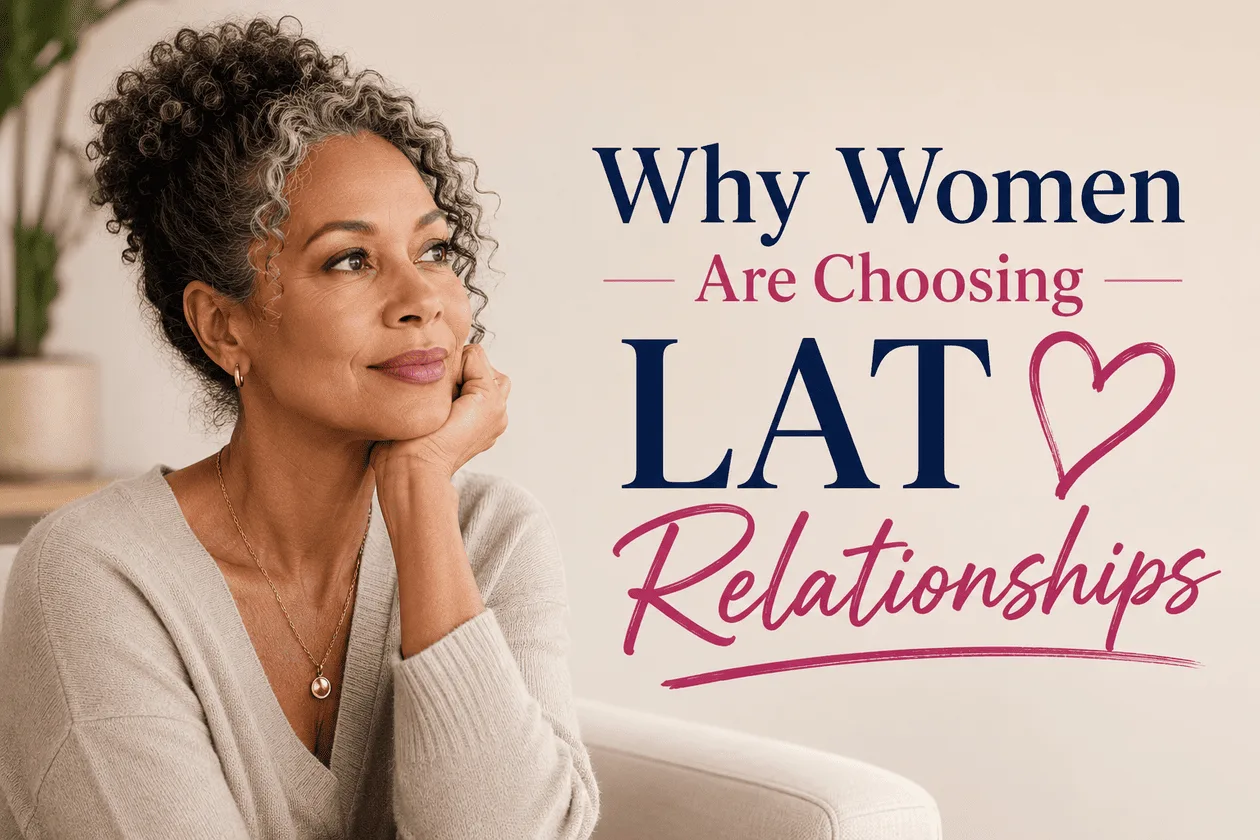
The Rise of LAT Relationships: Love on Your Own Terms
For years, society painted a very specific picture of what a successful relationship looked like. You meet someone, fall in love, get married, move in together, and combine your lives forever. If you didn’t share an address, people assumed something was missing. But times have changed.
A growing number of women over 50 are choosing a different path: Living Apart Together (LAT) relationships. These couples are deeply committed, often spend significant time together, and share a strong emotional bond—yet they intentionally maintain separate homes. At first glance, it might seem unusual. But once you hear the reasons behind it, the appeal becomes clear.
What Exactly Is a LAT Relationship?
A Living Apart Together relationship is simple in concept: two people are in a committed romantic partnership but choose not to live under the same roof. Some couples live just a few blocks apart, while others reside in different cities or even states. They vacation together, celebrate holidays, support each other through life’s challenges, and build a future as a team. The only difference? At the end of the day, each person returns to their own home.
Research shows that LAT relationships are becoming increasingly popular, especially among older adults who are divorced, widowed, or simply value their independence. After decades of building careers, raising families, or caring for loved ones, many people no longer feel the need to merge households. Instead, they’re redefining what it means to be in a loving, committed relationship.
Why Independence Matters More Than Ever
By the time we reach our 50s or 60s, many of us have finally created a life that fits us perfectly. Maybe you’ve decorated your home exactly how you like it. Perhaps you’ve established morning routines that bring you peace, reclaimed your weekends, or learned to cherish the quiet of living alone. After years of compromise, that independence becomes invaluable.
Moving in with someone means adjusting to another person’s habits, schedules, and preferences. While these compromises might seem small individually, together they can significantly alter your daily life. For many women, choosing a LAT relationship isn’t about avoiding commitment—it’s about preserving the freedom they’ve worked so hard to achieve.
The Surprising Benefits of Keeping Your Space
Dating Feels New Again
One of the most unexpected perks of LAT relationships is that couples often continue dating each other. When you don’t share every meal, errand, or household chore, your time together feels more intentional and special. Instead of arguing over who’s taking out the trash, you’re planning your next date night. Instead of spending weekends on chores, you’re exploring new places together.
Many couples find that they appreciate each other more because their time together isn’t routine. There’s something refreshing about still looking forward to seeing your partner, even after years together.
The Little Things That Add Up
It might sound trivial, but ask any woman who’s lived with someone for decades, and she’ll likely agree: having your own bathroom is a luxury. No more mysterious wet towels on the floor, no beard trimmings in the sink, and no rearranged cabinets. Your space stays exactly how you like it, and your skincare products remain untouched.
These small details might seem insignificant, but over time, they can become surprisingly meaningful. Sometimes, protecting the romance means protecting a little personal space.
Financial Freedom: A Key Advantage
Money can be a major source of stress in any relationship. Many women over 50 have already navigated divorce settlements, retirement planning, or the loss of a spouse. They’ve worked hard to achieve financial stability and aren’t eager to complicate it.
Living separately allows each partner to maintain their own finances while still building a life together. There’s no pressure to combine bank accounts, refinance homes, or immediately tackle complex estate planning. These conversations can happen if both parties want them to, but they don’t have to happen just because two people fall in love.
Removing financial pressure often removes one of the biggest sources of conflict in a relationship.
Family Dynamics: A Smoother Transition
Dating later in life often involves more than just two people. Adult children, grandchildren, former spouses, and family traditions can all play a role. Some families worry about inheritances, while others struggle emotionally with the idea of a parent remarrying.
A LAT relationship allows everyone more time to adjust naturally. The relationship can develop at its own pace, and family members have the chance to grow comfortable with the new dynamic. There’s no need to rush into major changes that might disrupt established routines or traditions.
Commitment Without Compromise
One of the biggest misconceptions about LAT relationships is that they’re less serious than traditional ones. In reality, many LAT couples have been together for years or even decades. They travel together, care for each other during illnesses, celebrate milestones, and make long-term plans. Their commitment isn’t measured by whether they share a closet—it’s measured by how they show up for each other every day.
Is a LAT Relationship Right for You?
If you’re dating after 50, it’s worth asking yourself a few honest questions. Do you truly want to live with someone again, or do you feel like it’s what’s expected? Would you miss your independence, or are you ready to embrace a new chapter?
LAT relationships aren’t for everyone. Maintaining two households can be expensive, and someone has to handle the commute. Holidays require planning, and caring for a partner during illness might take extra coordination. Some couples eventually decide that living together makes more sense, while others happily maintain separate homes for the rest of their lives.
Neither choice is better than the other. The goal isn’t to follow someone else’s blueprint—it’s to create a relationship that works for you. For many women over 50, that means embracing love without giving up the freedom they’ve come to cherish.
For more insights on modern relationships, check out this Pew Research Center study on changing family dynamics.